
 Giriş yap
How I Do SEO for New Websites
New website coming SOON
Here’s a step-by-step breakdown of how I approach SEO for new websites:
Understand the Purpose and Audience
Before diving into technical SEO, I focus on understanding the website’s purpose and target audience.
Define objectives: Is the website meant to generate leads, sell products, or provide information?
Identify the audience: Who will visit the website? Their preferences, problems, and search behaviour guide my strategy.
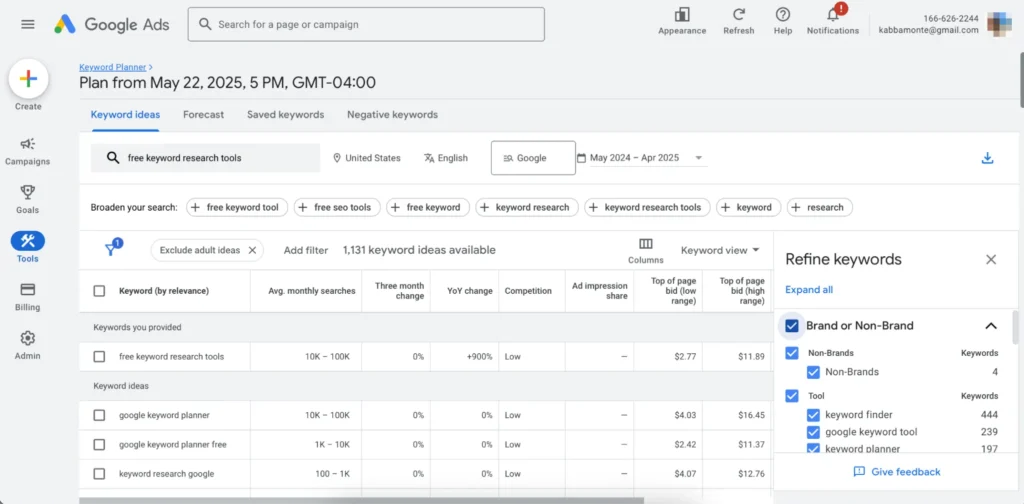
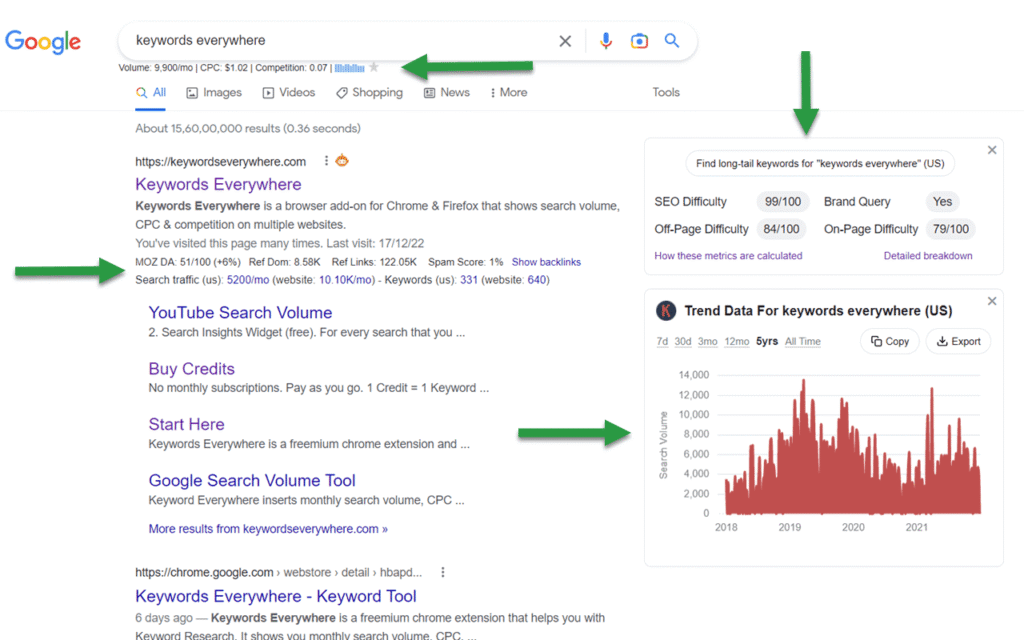
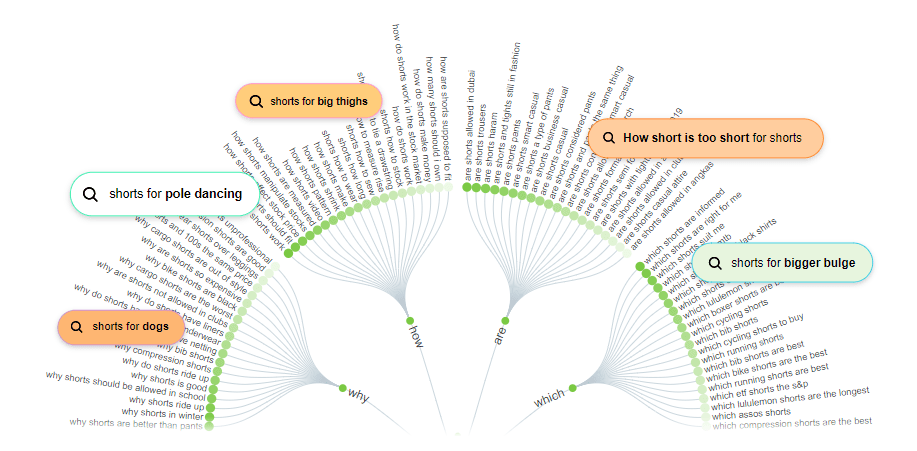
Keyword Research
Effective keyword research is the backbone of SEO. For a new website.
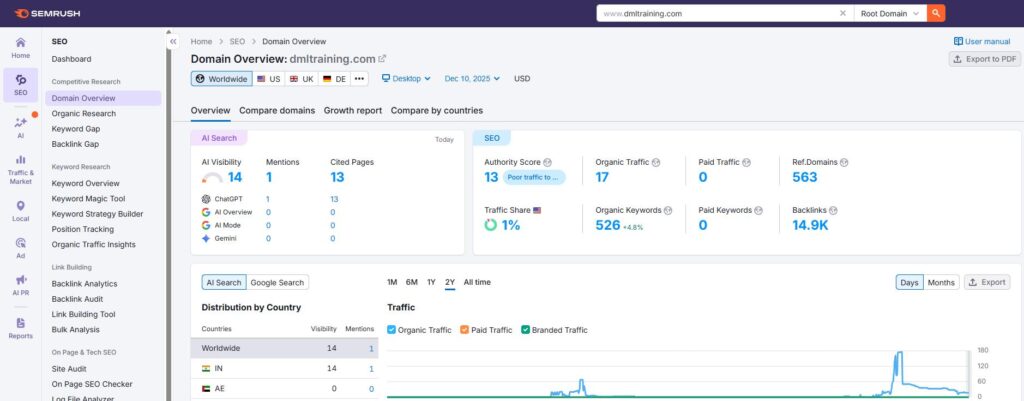
- Use tools like SEMRush, Ahrefs, or Google Keyword Planner.
- Target low-competition, long-tail keywords to quickly gain traction.
- Analyze competitor keywords and gaps.
- Create a seed list of primary, secondary, and LSI (Latent Semantic Indexing) keywords.
Structure the Website
Site structure impacts SEO and user experience.
My process includes:
- Flat structure: Ensures every page is accessible within 3 clicks.
- Logical hierarchy: Groups pages into categories for clarity.
- SEO-friendly URLs: Keep them short, descriptive, and keyword-optimized.
- Internal linking: Helps Google understand relationships between pages.
Technical SEO Setup
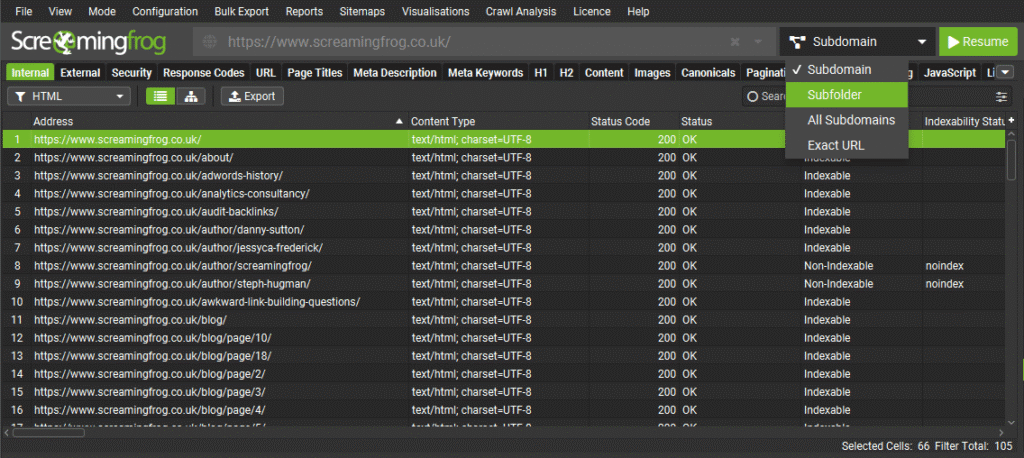
The technical foundation is essential for search engines to crawl and index the site. I focus on:
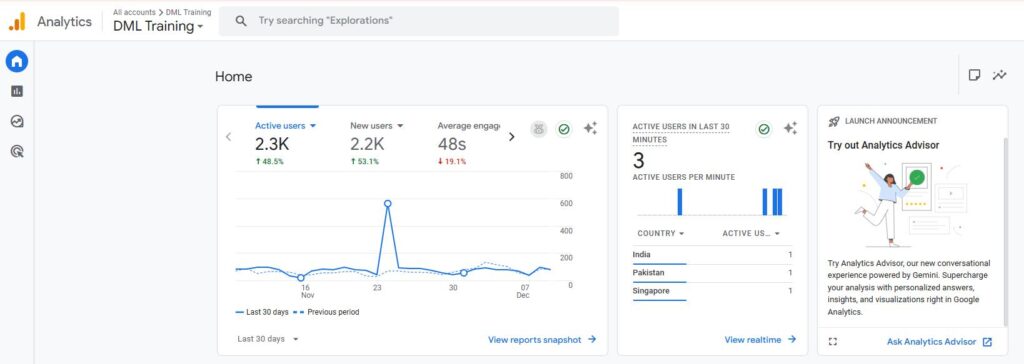
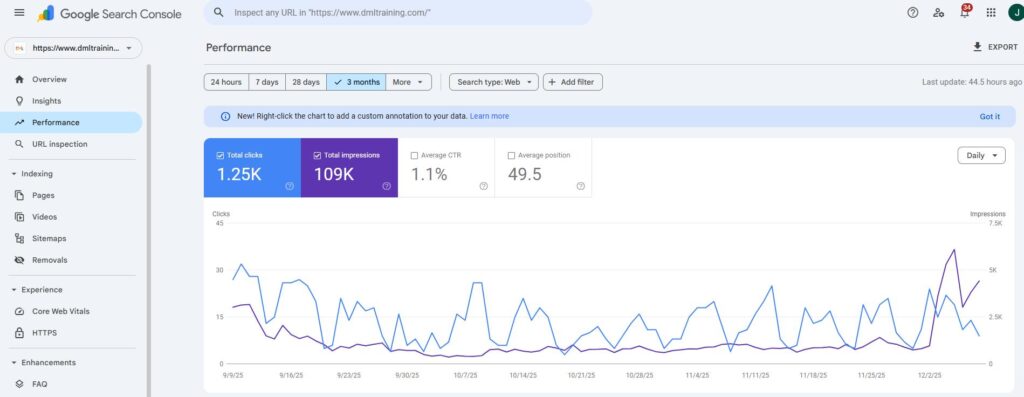
- Installing Google Analytics and Google Search Console.
- Submitting an XML Sitemap to Search Console.
- Setting up a robots.txt file to control crawling.
- Ensuring the website is mobile-friendly with responsive design.
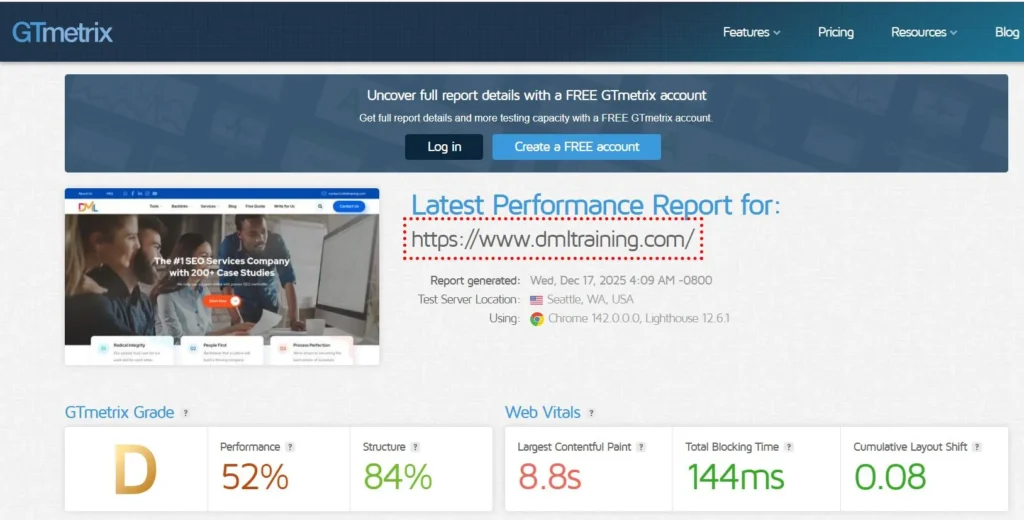
- Improving Core Web Vitals: Optimize load time, interactivity, and visual stability.
- Enabling HTTPS for a secure browsing experience.
Content Creation
Content drives organic traffic, so I prioritise:
- Writing SEO-optimized blog posts targeting keywords.
- Creating cornerstone content that answers key user queries.
- Ensuring content is informative, actionable, and engaging.
- Using multimedia (images, videos, infographics) to boost user interaction.
On-Page SEO Optimization
Every page is optimized to rank effectively. My on-page checklist includes:
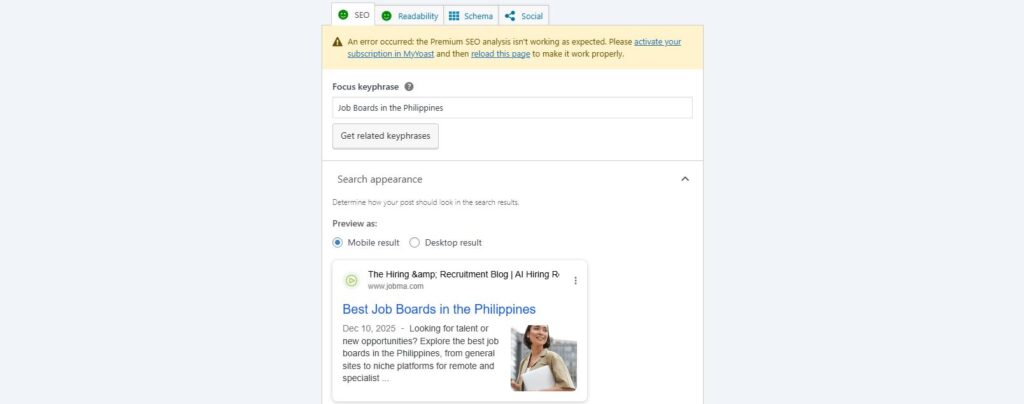
- Crafting compelling title tags and meta descriptions.
- Using header tags (H1, H2, H3) for better readability and keyword placement.
- Optimizing images with alt tags and compressed file sizes.
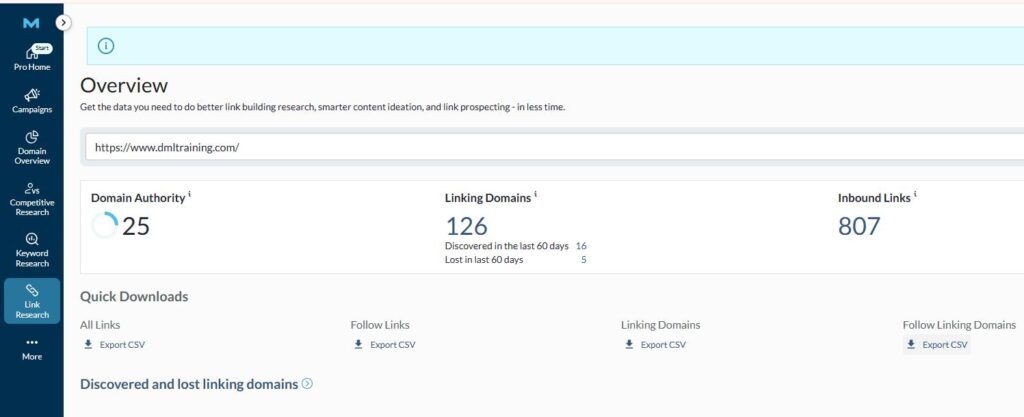
- Adding internal and external links to boost authority.
Building Backlinks
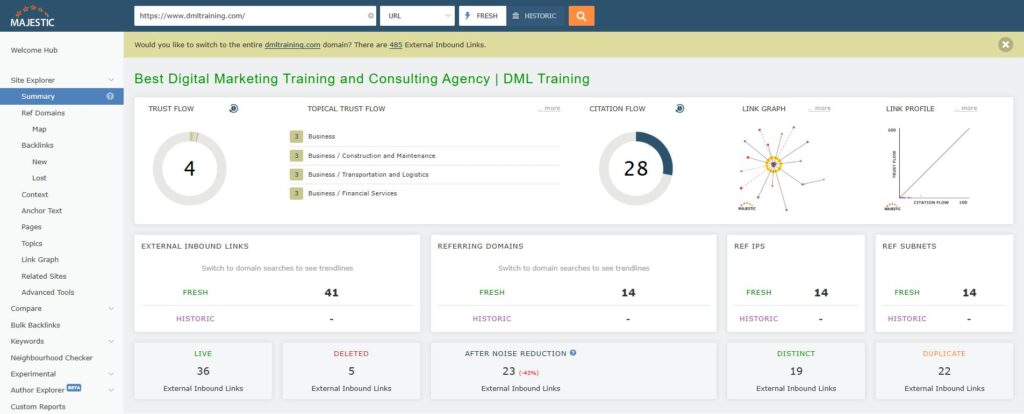
Backlinks signal authority to search engines. For a new website
- Build citations and directory links for local businesses.
- Leverage guest blogging on niche-relevant sites.
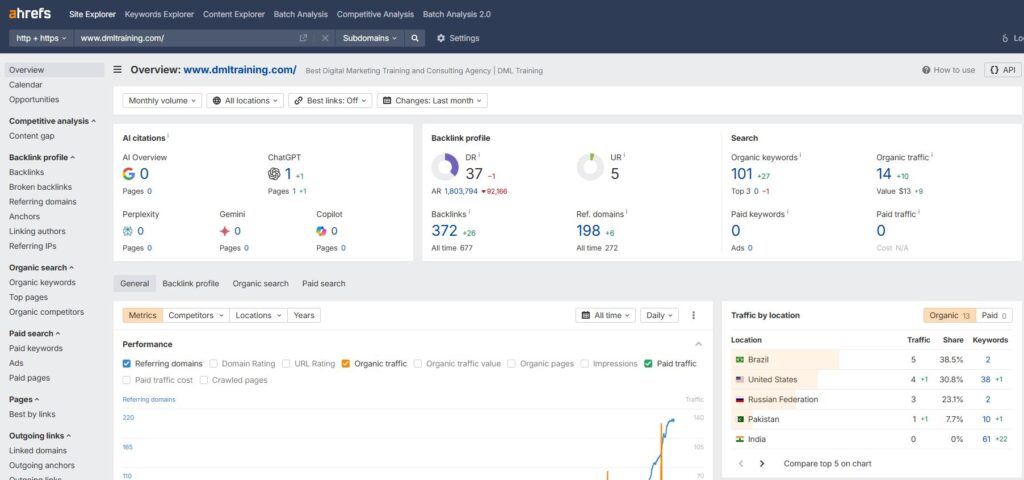
- Conduct outreach campaigns for high-quality backlinks.
- Avoid spammy or black-hat link-building practices.
Regular Monitoring and Optimization
SEO is a continuous process. Post-launch
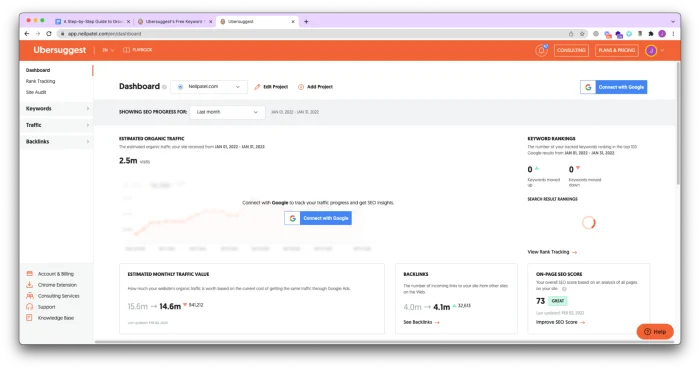
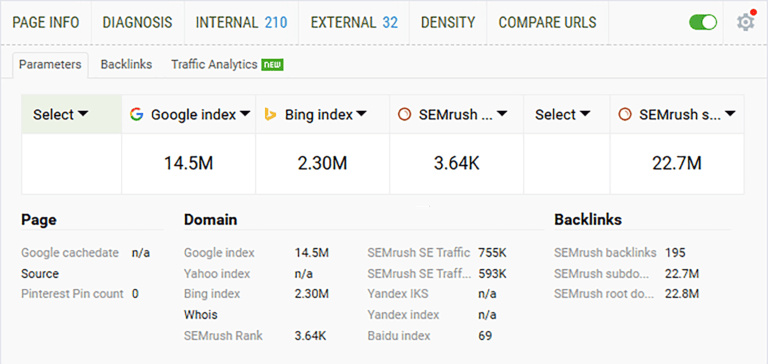
- Track performance: Use tools like Google Analytics and Ahrefs to measure organic traffic and keyword rankings.
- Analyze user behavior to identify bounce rates, exit pages, and session durations.
- Update content regularly to stay relevant.
- Fix crawl errors, broken links, or duplicate content to maintain site health.
Local SEO (If Applicable)
For businesses targeting specific locations
- Set up Google My Business and optimise the profile.
- Add NAP (Name, Address, Phone Number) consistency across citations.
- Encourage customer reviews for credibility.
Remember
SEO for a new website requires a strong foundation, strategic planning, and consistent effort.
From technical optimizations to creating valuable content and building backlinks, I ensure every step aligns with the website’s goals and audience needs.








 Link Building & Analysis
 Content Creation & Optimization
 Analytics & Reporting
 Keyword Research
 On-Page Optimization
 Technical SEO
 Local SEO
 Final Thoughts